
Today, hotel guests aren’t just looking for a room to sleep in—they’re seeking an experience of absolute well-being, in which sensory comfort plays a leading role. In this context, bed and bath linens aren’t merely a secondary accessory, but the decisive element that shapes guests’ perception of the entire property. How many times has a guest left a negative review on sites like TripAdvisor or Booking because of rough, worn-out sheets or stiff, poorly absorbent towels? Touch is the first sense a guest engages when relaxing, and it’s what determines their loyalty.
For those who manage hotels, boutique hotels, resorts, charming bed-and-breakfasts, or industrial laundries, choosing the right textiles is not just a matter of aesthetics or personal taste. It is a strategic decision—a genuine financial investment inextricably linked to the brand’s reputation. The real challenge for hospitality operators lies in finding the perfect balance between the softness and elegance expected by guests and the exceptional resistance to high-temperature industrial washing required by hygiene protocols and routine maintenance.
In this comprehensive guide, based on many years of experience in the field and in the laboratories of ZA&BEL, we will take a detailed look at how to select the best professional-grade fabrics, focusing on the technical parameters essential for raising the standard of your hospitality facility while also optimizing the efficiency of your operating and maintenance costs.
Table of Contents
- 1. Sheets and Bedding: The Secret to a 5-Star Night's Sleep
- 2. Sponges and Bath Products: Softness and Maximum Absorbency
- 3. Comparing Fabrics: A Guide to Choosing Materials
- 4. The Value of ZA&BEL’s Experience in the Professional Textile Industry
- 5. Frequently Asked Questions (FAQ)
- 6. Raise the Standard of Your Facility: Request a Consultation and a Quote
1. Sheets and Bedding: The Secret to a 5-Star Night's Sleep
The bed is, without a doubt, the focal point of a hotel room—the stage on which the hotel’s promise of rest is put to the test. The tactile and visual sensation a guest experiences when slipping under the covers after a long day of travel defines their entire perception of their stay. To ensure impeccable comfort that leaves a lasting impression, it’s not enough to evaluate the aesthetic aspect alone: it’s essential to scientifically analyze the yarn composition and the weave density, known in technical terms as Thread Count (number of threads per square inch).
The range of fabrics for the bedding line is structured primarily around three main pillars, each with its own specific characteristics:
- Cotton 100%: It is the quintessential choice of elegance. It offers maximum breathability, excellent temperature regulation, and a naturally cool feel against the skin. It is the material of choice for hotels that prioritize classic luxury and the authenticity of natural fibers.
- Cotton Blend (Policotone): It cleverly combines the freshness and moisture-wicking properties of cotton with the extraordinary mechanical strength of polyester. It is the most popular and recommended choice for industrial laundries and high-volume hotels. Why? It dries very quickly, reducing energy consumption; it wrinkles very little, making calendering (industrial ironing) easier; and it remains unaffected by particularly aggressive chemical and thermal washing cycles.
Technical Advice from ZA&BEL: For our partners looking to offer an extraordinary experience and uncompromising prestige, we recommend the Pure Cotton Satin. Thanks to its distinctive woven weave, Satin offers a subtle and refined natural sheen, combined with a silky texture that instantly transforms a standard room into a high-end suite.
2. Sponges and Bath Products: Softness and Maximum Absorbency
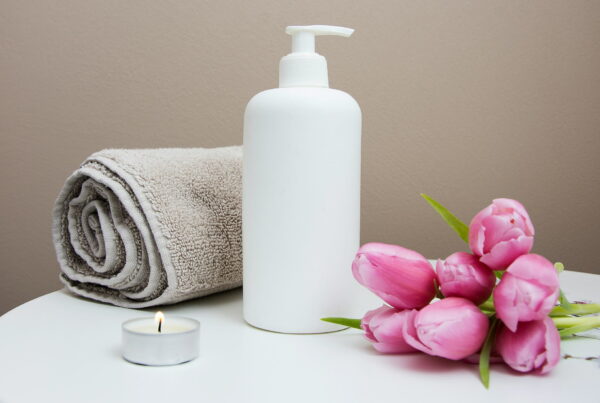
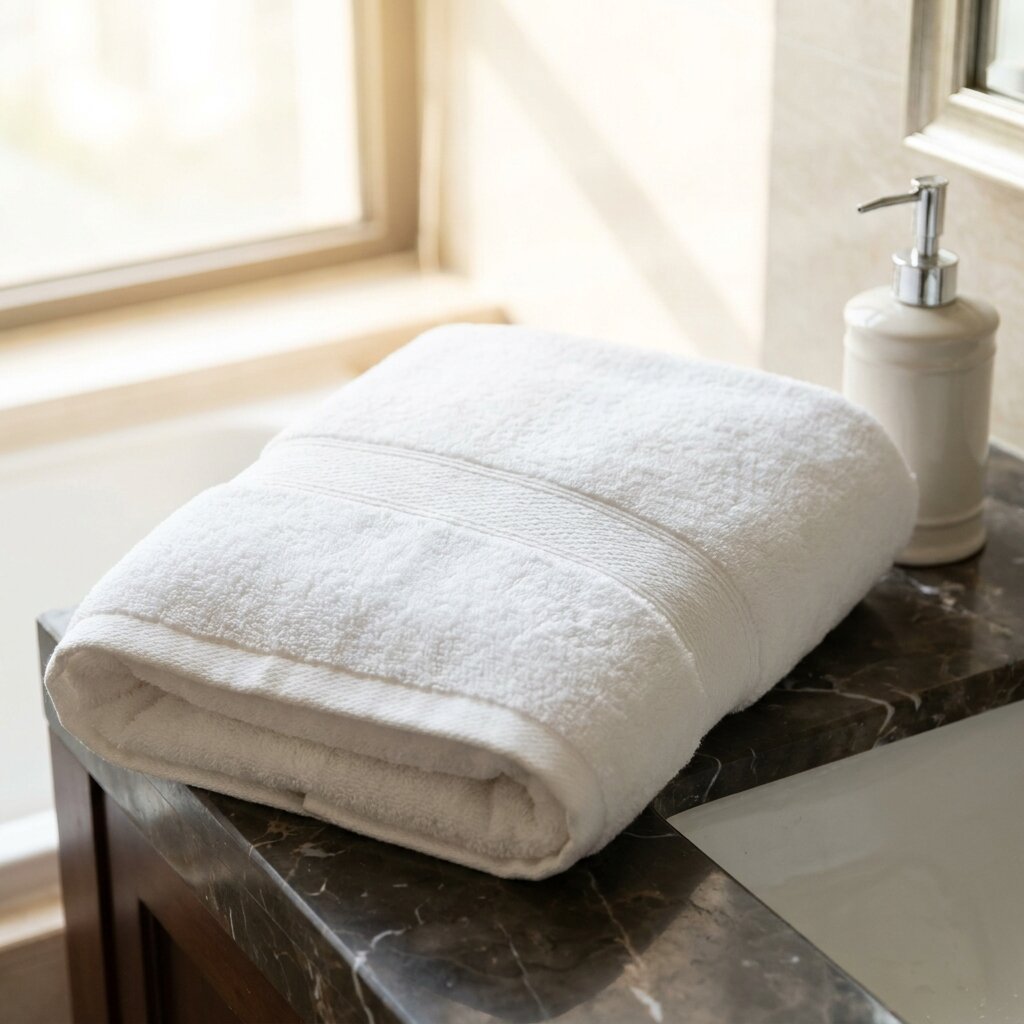
In modern concepts of hospitality, the bathroom has evolved from a purely functional space into a private micro-spa available to guests. Finding yellowed, rough, or—worse yet—water-repellent towels (which push water away instead of absorbing it) abruptly shatters the magic of the stay. When selecting hotel towels, the key factor to consider is the thread count—that is, the weight of the fabric expressed in grams per square meter (g/m²)—which determines texture, thickness, and absorbency.
Professional paper weights are generally divided into strategic usage categories:
- 400–450 g/m²: Lightweight construction and fine yarn. It has the great advantage of drying in record time and is the ideal solution for pool towels, beach towels, or dynamic facilities that need to optimize their in-house laundry cycles.
- 500–600 g/m²: It represents the true gold standard of the international hotel industry. It offers a rich, full-bodied texture to the touch, excellent absorbency (hydrophilicity), and structural stability that resists wear and tear on the edges and seams over the long term.
To explore all the available weight options and choose the ideal products for your hospitality bathroom, you can check out the complete line of ZA&BEL Hotel Linens.
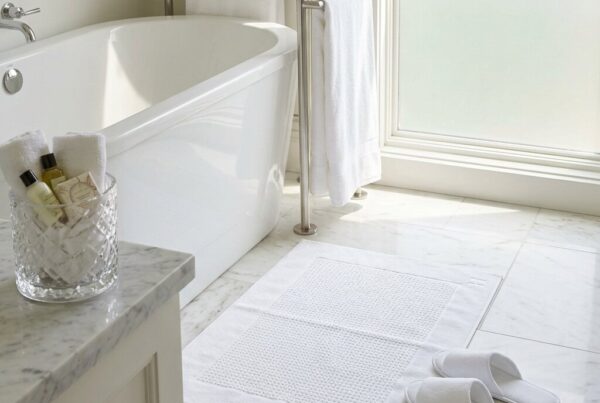
You should never overlook the matching details. The heavyweight shower mats and bathrobes from our professional line—available both with an elegant shawl collar in soft terry cloth and in a modern, lightweight honeycomb weave—instantly convey a clear message: the utmost attention to customer care.
3. Comparing Fabrics: A Guide to Choosing Materials
To help you make an informed decision based on your facility’s location, your budget, and the operational dynamics of your partner laundry, we’ve summarized the technical specifications of the main materials used in the ZA&BEL collections:
| Fabric Type | Soft to the Touch | Wear Resistance | Easy to Iron | Ideal Use |
|---|---|---|---|---|
| Pure Cotton (Canvas) | High | Good | Media | 3- and 4-Star Hotels, Charming B&Bs, Farmstay Accommodations |
| Cotton Satin | Excellent (Silky Finish) | Good | Requires care | 5-Star Hotels, Boutique Hotels, Luxury Spas |
| Cotton Blend (Poly-Cotton) | Good | Excellent | Excellent (Easy to iron) | High-Occupancy Hotels, Industrial Laundries |
| IDRO Cotton Sponge | Very high | Excellent | Does not require ironing | Wellness Centers, Resorts, Premium Bathroom Collection |
4. The Value of ZA&BEL’s Experience in the Professional Textile Industry
At ZA&BEL, our approach goes far beyond simply supplying linens. For years, we have been working as strategic partners alongside hotel chains, spas, resorts, and industrial laundries throughout Italy, offering expert textile consulting services tailored to your actual business needs. We invite you to learn more about our comprehensive offerings and our rigorous selection standards by visiting the general page on ZA&BEL Hotel Textile Supplies.
We are fully aware that linens intended for professional use must meet extremely strict industrial standards: resistance to chlorine bleach, dimensional stability (to prevent sheets and duvet covers from shrinking or losing their square shape after just a few washes), and the durability of the double-stitched seams around the edges. For this reason, every single ZA&BEL production batch undergoes rigorous chemical and mechanical stress testing, ensuring a lifespan significantly longer than the retail market average.
5. Frequently Asked Questions (FAQ)
6. Raise the Standard of Your Facility: Request a Consultation and a Quote
The perfect linens for your hospitality business do exist, and they are the direct result of a synergistic combination of high-quality, carefully selected raw materials and deep technical expertise in manufacturing. Don’t leave your guests’ comfort to chance or to run-of-the-mill suppliers: the finer details of your linens are your best calling card for earning excellent reviews and ensuring repeat business.
The team of specialists at ZA&BEL is at your complete disposal to guide you step by step in analyzing the collections best suited to your operational needs, send you actual fabric samples to test with your trusted laundry service, and prepare a personalized, highly competitive commercial proposal—with absolutely no obligation.
Take the leap forward that your business deserves: get in touch with our consultants today by visiting the page directly ZA&BEL Contact Information.