
Professional linen in contexts such as luxury hotels, exclusive spas, beauty salons or wellness centers is not a simple accessory, but a key element that contributes significantly to the perception of quality, hygiene and care by the customer. Towels, in particular, are among the most used fabrics and, consequently, those that require greater attention in terms of maintenance. Maintaining their softness, absorbency and an impeccable appearance, despite the frequent cycles of use and sanitation, represents a daily challenge for professionals in the sector. The success of a high-level service also passes through the meticulous care of these textile details, which can make the difference between an ordinary and a memorable experience.
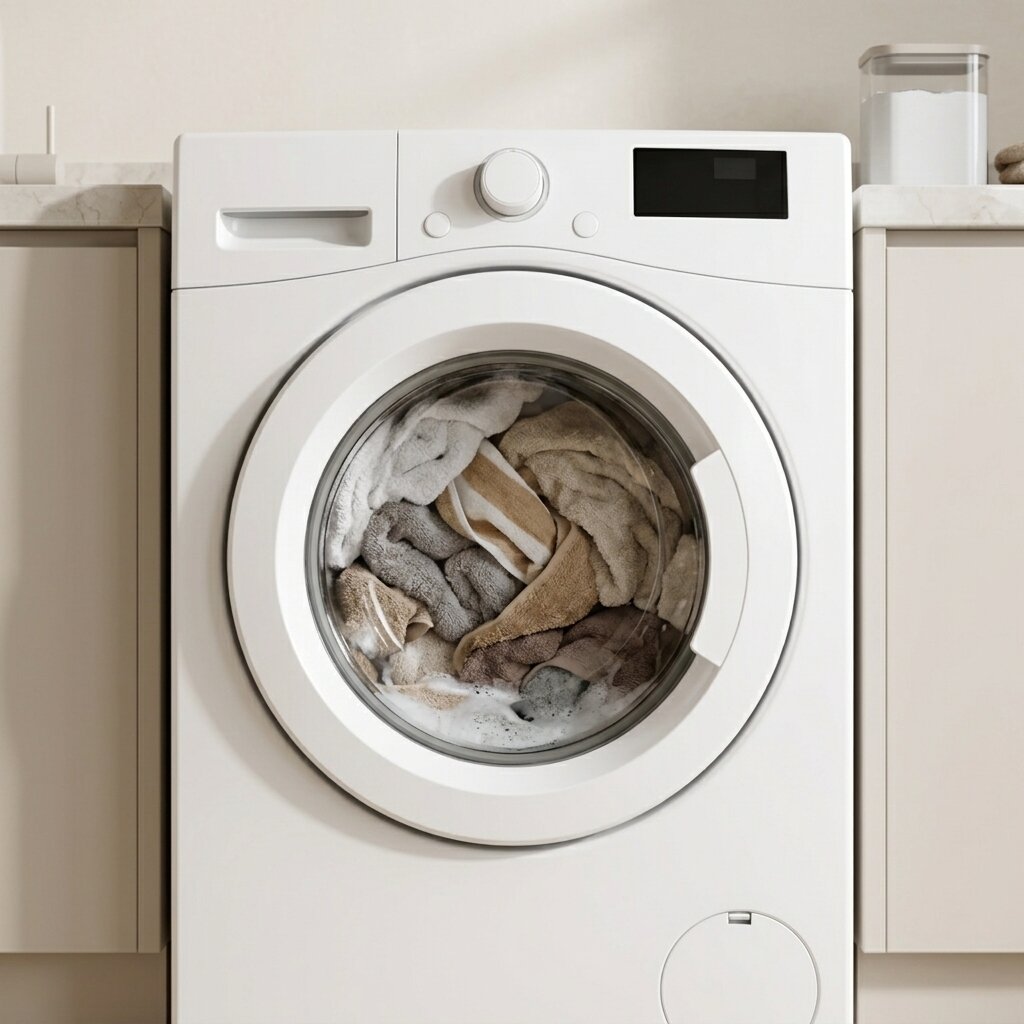
a correct Professional towel washing It is, therefore, not only an essential hygienic practice, but a real strategy to extend the useful life of the product, preserve its aesthetic and functional characteristics and optimize operating costs. Adopting adequate washing protocols is essential to avoid graying, felting or loss of absorbency, common problems that quickly compromise the image of the structure. For facilities that run the laundry internally or rely on external partners, understanding the dynamics and best practices of professional textile treatment is indispensable. This article aims to guide you through the crucial steps for effective sponge management, ensuring that every towel can continue to offer the comfort and elegance that your guests and customers expect. For textile solutions designed to withstand intensive cycles, visit our section dedicated to Industrial Laundry Linen.
Table of Contents
1. Professional washing science: From harvest to pre-treatment
The starting point for optimal management of the sponge linen lies in a rigorous organization of the preliminary washing phases. It is not just a question of efficiency, but of hygiene, tissue conservation and prevention of irreversible damage. Professionalism is also manifested in these operational details, which directly influence the final quality of the service offered.
1.1 Tissue segregation and stain management
The first crucial step is the Meticulous separation of towels. This avoids cross-contamination of colors, the transfer of dirt and the damage of delicate fibers. It is essential to divide the garments according to:
- Color: White, light, dark. This prevents the release of color and greyness of light tissues.
- Dirt level: very dirty garments (eg. Spa towels with oily residues, hairdressing towels with dyes) from those with light dirt.
- Fabric Type: Although this article focuses on the cotton sponge, it is generally a good idea to separate different types of fiber that require specific temperatures or treatments.
Once segregated, it is essential to proceed with the Pre-treatment of stains. Many common spots in professional contexts (massage oil, make-up, chlorine, coffee, wine) require specific attention before the actual washing cycle. The use of professional stain removers, applied directly to the stain and left to act for the necessary time, can prevent them from fixing during washing, becoming permanent. It is crucial to use products suitable for the type of fabric and stain, avoiding aggressive solutions that can damage the fibers or alter the color.
2. Optimal washing cycle: Temperature, dosages and rinsing
The heart of the process of sanitation and cleaning of professional towels lies in the definition of a washing cycle that balances effectiveness, hygiene and fabric care. This requires in-depth knowledge not only of the characteristics of the linen, but also of the chemical-physical dynamics involved in the process. High quality professional textile supplies, such as those of ZA&BEL, are designed to withstand intensive cycles, but their longevity strictly depends on compliance with specific protocols.
2.1 The choice of temperature and detergents
La water temperature It is a determining factor. For towels in pure white cotton, high temperatures are often recommended (60 ° C-90 ° C) to ensure deep sanitation, especially in environments where hygiene is a priority such as hotels, spas and health facilities. However, it is always advisable to consult the labels for colored or mixed garments, which may require lower temperatures to preserve the colors and integrity of the fibers. The use of professional cleaners formulated for industrial laundries is essential. These products are designed to act effectively at different temperatures, remove stubborn dirt and oil or lotion residues, and contain whitening agents (for whites) or color protectors. the Precise dosing It is equally critical: An excess of cleanser can leave residues on the tissue, making it rough and less absorbent, as well as contributing to yellowing over time. An insufficient dosage, on the other hand, compromises the effectiveness of washing and hygiene.
The rinse cycle It deserves special attention. Inadequate rinsing is one of the main causes of felting and hardening of towels. Unremoved detergent residues are deposited between the fibers, altering their structure and absorption capacity. Programs with multiple rinsing phases, or the use of specific professional softeners for intensive cycle linen (to be used in moderation to avoid reducing absorbance), are recommended. To ensure that your fabrics are ready for every cycle, choose hotel linens of proven resistance.
2.2 Preventing Felting and Graying
To counteract graying, especially in white garments, the use of sodium percarbonate or specific active oxygen whiteners can be effective. It is essential to avoid the excessive load of the washing machine, which prevents the garments from moving freely and the detergent from acting evenly. Water hardness also plays a role: Very hard waters can cause limescale deposits, making the tissues rigid and opaque. The installation of water softening systems or the use of anti-limescale additives is a recommended solution in areas with hard water.
3. Drying, ironing and storage for maximum durability
After an impeccable wash, the drying and storage phases are crucial to maintaining the quality, softness and durability of professional towels. These often underestimated operations are crucial to delivering a high-level sensory experience to your guests and customers.
3.1 Optimal drying techniques
L’drying It is the phase where you can preserve (or ruin) the softness of the sponge. The industrial dryer, if used correctly, can restore the volume of the fibers. It is advisable:
- Do not overload the dryer to allow adequate air circulation and prevent the fibers from flattening.
- Use moderate temperatures. Excessive and prolonged heat can dry out cotton fibers, making them rough and fragile over time, as well as causing shrinkage.
- Remove the towels as soon as they are dry, or even slightly damp, to prevent them from hardening and rubbing excessively.
- For an extra touch of softness, some professional laundries use dryer balls that help shake fabrics.
Drying in the open air, although ecological, is less practical for large volumes and may not give the same volumetric softness typical of the dryer.
3.2 Ironing and bending: Aesthetics and functionality
Generally, high quality terry towels do not require ironing. Indeed, high temperature ironing can flatten the handles of the sponge, reducing their volume and absorption capacity. If you still want a more formal aspect for specific contexts (eg luxury suites), it is preferable to use low temperatures and a delicate steam, being careful not to compress the fabric too much.
La flexure It is an art that contributes to the final presentation. Towels must be folded evenly and tidy, not only for impeccable aesthetics but also to facilitate storage and management. A neat folding reflects the attention to detail of the structure.
3.3 Correct storage
a storage It is the last step to ensure that the towels remain fresh, clean and ready to use. must be stored in an environment:
- Dry and well ventilated: To prevent the formation of moisture, mold or unpleasant odors.
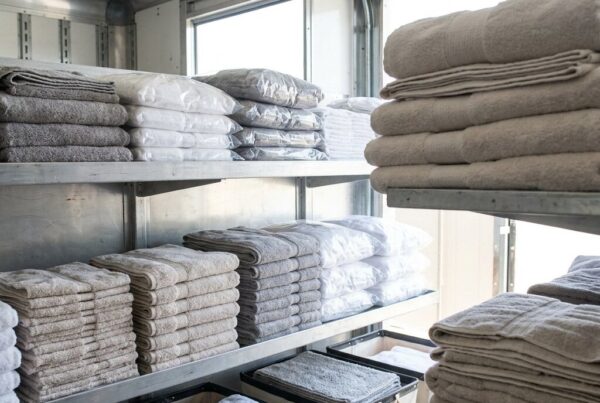
- Clean and dust-free: Closed shelves or cabinets are ideal for protecting your linen.
- away from direct sunlight: which can fade colors and weaken fibers over time.
A linen rotation system, which ensures the use of all garments in a fair way, is useful for distributing wear and prolonging the life of the entire textile inventory.
Why Choose ZA&BEL Professional Sponges for Your Business
ZA&BEL has been a point of reference in professional textile excellence for over half a century. Our production, strictly Made in Italy in Busto Arsizio since 1969, is the guarantee of an artisanal expertise combined with the most modern technologies. Each ZA&BEL sponge comes from a careful selection of long-fiber yarns, characterized by a double twist that gives our products superior resistance and durability, essential to withstand the intensive washing cycles to which the professional linen is subjected. Total dimensional stability is another of our strengths, ensuring that the fabrics maintain shape and consistency wash after wash, eliminating the risk of shrinkage or deformation. Our attention to quality translates into a certified resistance to industrial cycles, synonymous with an investment that pays for itself over time. We also offer a tailored customization service, with the possibility of embroidering logos or names, to make each garment unique and distinctive. Everything is supported by punctual and efficient logistics, to ensure that your linen always arrives at the right time and place, without compromise on quality or time.
Ensuring maximum freshness and durability for your towels of your facility is a distinctive element of professionalism. Investing in high-quality linen and implementing impeccable washing protocols means raising customer experience and optimizing long-term management costs.
Discover how ZA&BEL textile solutions, designed for the most demanding washing cycles of industrial laundries, can transform the management of your linen, while maintaining softness and hygiene. Visit our collection and request advice for a tailor-made supply.
Discover ZA&BEL linen for industrial laundries